
The Art of the Pause: LS Punctuation (!)
In this String Music post, we showcase of the modularity and creative brilliance found within the global Liberating Structures (LS) community. We investigate the "spaces in between"—the brief activities we call LS Punctuation.
If a structure is a word and a string is a sentence, punctuation provides the rhythm, the breath, and the emphasis that allow a group to move from mere participation into a true flow state.
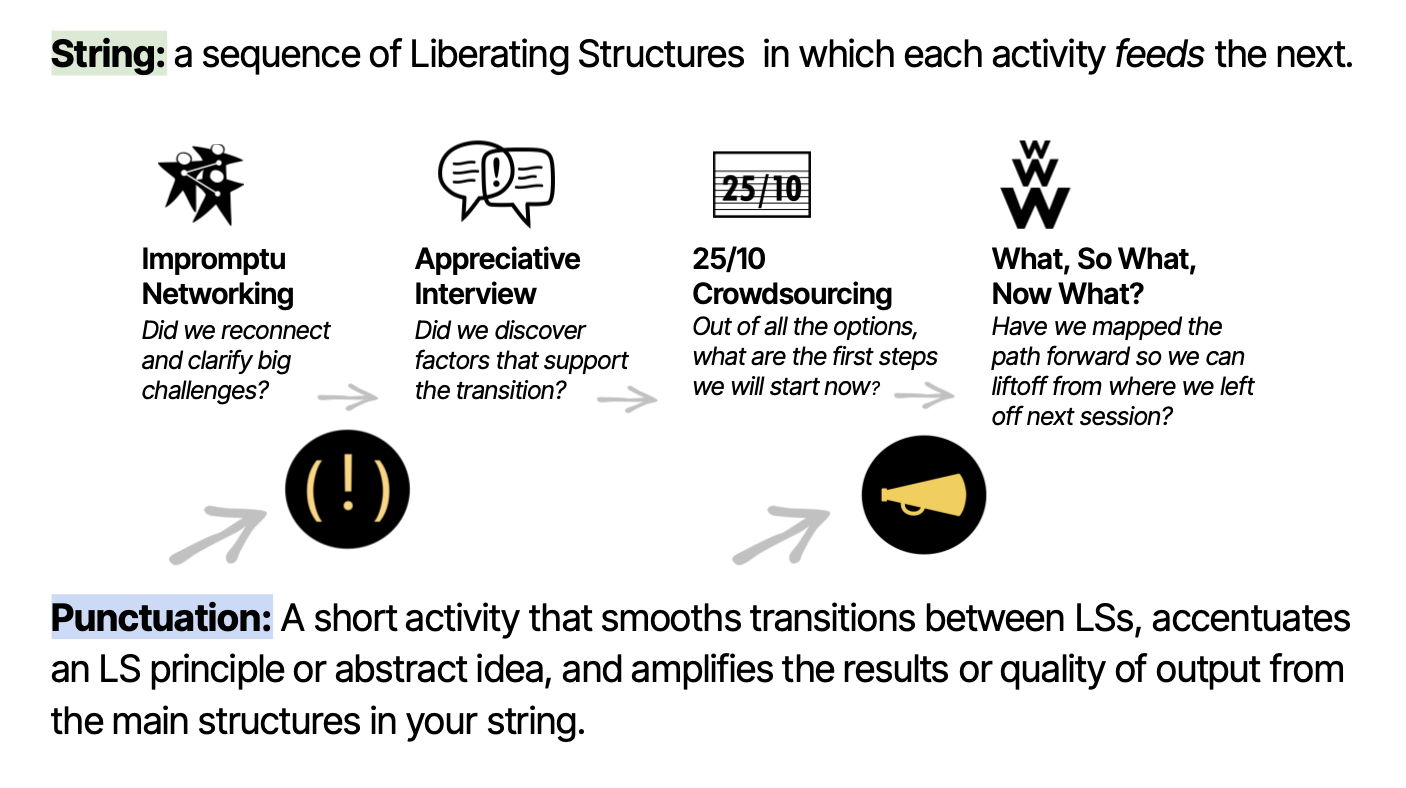
The String is a logical sequence of activities that generate flow.
A Punctuation within the flow can: smooth a transition between LSs; accentuate a principle or big idea; and, amplify results from a LS that anchors your string.
Designing With Powerful and Purposeful Pauses
As familiarity with the LS repertoire grows, the variety of punctuation becomes infinite. These are the tiny, often "lightning-fast" transitions that allow a group to find its own way forward. Here are six of the most reliable marks I use to punctuate a string:
1. Whispering Out Loud (Private Conversations in Public)
Whenever you or your co-host a need to pivot, take off your "formal hat" and share your internal thinking process. It is a practice of making private conversations among hosts or design group members public.
The Action: You say,"I’m sensing something has shifted... I think we should change our string to address X. What do you think?" Resolve it briefly, put your hat back on, and move forward.
The Why: It is a simple recognition of complexity when working together. By inviting the group to notice the patterns of interaction with you, you model mindfulness and creative adaptability.
2. Back-to-Back Listening
This is a radical experiment in deep listening used to amplify empathy before field work or a User Experience Fishbowl or Simple Ethnography.
The Action: Partners stand or sit back-to-back while music plays (music without words works well). After listening silently, they turn and share their experience for 90 seconds. Then, they turn back-to-back again and listen to the same music through the "ears" of their partner’s story.
The Why: It illustrates how Min Specs (their partner's brief description) provide a constraint that actually helps us fill in the gaps with our own imagination. It is the micro-behavior of learning at the feet of a customer, client, or student.
3. Flocking (The Boids Simulation)
Inspired by Craig Reynolds’ computer modeling of bird behavior, this physical exercise illustrates how Min Specs allow an organization to self-organize without a single leader bird.
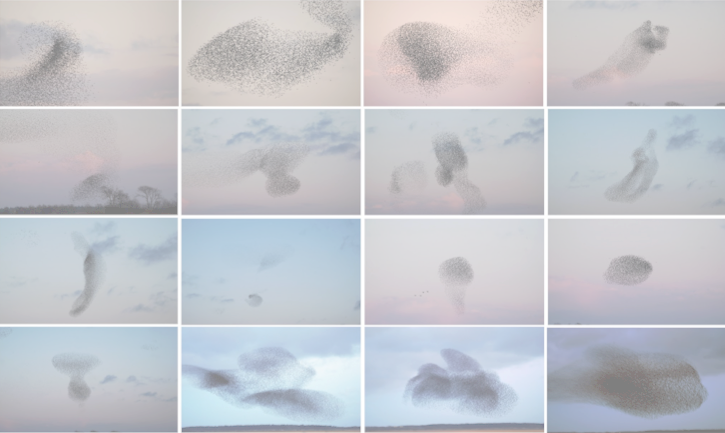
Starling murmurations.
The Action: Participants follow three simple rules as they move around a room: stay in the designated boundaries, match the speed of others, and stay equidistant from two other people. Akin to schools of fish and starling murmurations, intricate patterns take shape.
The Why: It reveals that order can emerge without central control. When you introduce an "innovation" (like waving arms) during the flocking, you see how simple, easily integrated ideas can spread through a system while complex ones fade away.
4. Leader ~ Follower
A "spritely" movement exercise used to demonstrate the fluidity required in distributed leadership.
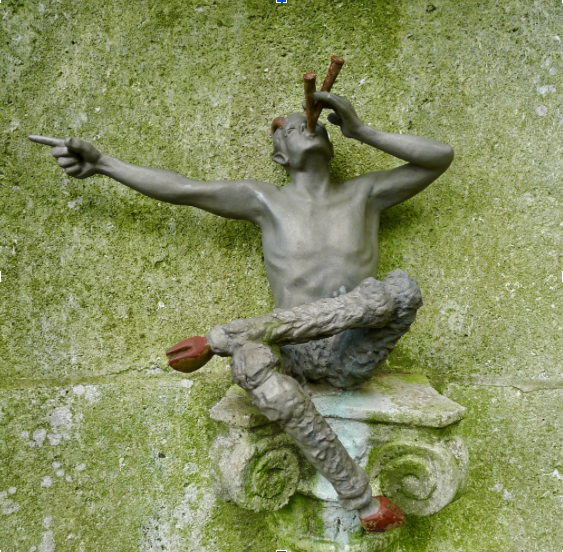
The Action: Partners connect by a single fingertip as they reproduce an infinity pattern. They switch roles as leader and follower in increasingly rapid rounds, eventually closing their eyes to follow and and then moving away from the infinity to a new pattern.
The Why: It illustrates the goal of transitions: becoming so fluid that you lose track of who is leading and who is following. Direction shapes itself.
5. The 20-Second Rule
A powerful pause and discipline borrowed from Positive Deviance (PD).
The Action: When a question is asked or a prompt is given, hold the silence for a full 20 seconds.
The Why: It feels like a lifetime, but it provides the "breath" necessary to see if there is more beneath the surface. Tip: Look lovingly at your shoes to make the silence feel supportive rather than expectant.
6. The Spidergram Mirror (Short Form)
A "magical mirror" that helps a group see its own dynamics and decide if it needs to shift.
The Action: Invite participants to engage in a rapid diagnostic evaluation of three developmental attributes: Deepening Relationships, Generating New Options, and Clarifying Context.
The Why: What we measure is what we get. By using the Spidergram Mirror, you move into active sensemaking. It reveals the similarities and differences in the collective experience, allowing the group to adjust its own pattern in real-time.
The Liftoff
Punctuation is a form of mindfulness that keeps a string from becoming a rigid march. It restores the group’s energy by building strength through new growth. Expect more imagination, resolve, and action when using LS punctuations.
What are your favorite punctuations? Which ones might be added to the LS Commons?
Where could your current meetings or strings benefit from "Whispering Out Loud" to acknowledge a shift in the room?
If you used the 20-Second Rule today, what "hidden" insights might have emerged?
How can you use Flocking to help your group see the difference between "Max Specs" and "Min Specs"?
What meeting would the Spidergram Mirror help participants find their own way forward?
