
Unlocking Adaptive Flow with Kaospilots
I had the opportunity to introduce Liberating Structures (LS) at the Kaospilots school in Denmark, a unique leadership program known for its focus on entrepreneurship, creativity, and social innovation. I worked with two second-year students and a teacher on an experiential learning project.
The Challenge of Tight Control
The two students, Anna and Astrid, were tasked with guiding a first-year cohort's formation of a learning organization—one that would manage real-world consulting projects with companies like IKEA.
Having struggled with this process in their own first year, their anxiety was palpable. They desperately sought a sharply defined decision-making structure—a form of tight control and knowing in advance—to preempt conflict and ensure success. This classic impulse, born of fear, risks stifling the very creativity needed to navigate complex formation.
Shifting to Acting-Learning-Planning
I understood that the true power of LS lies in fostering a creative, adaptive flow state. Instead of designing a detailed structure in advance, we needed a process of acting-learning-planning at the same time. LS offers minimum tiny structures that unleash collective intelligence and generate innovative solutions.
Our workshop sequence was deliberately designed to move away from a pre-established, formal decision. It focused on first clarifying purpose, defining must-do and must-not-do principles, and mapping out the necessary functions for a learning organization. Crucially, we embedded consistent reflection on collective contributions to surface the principles that would naturally guide future operations.
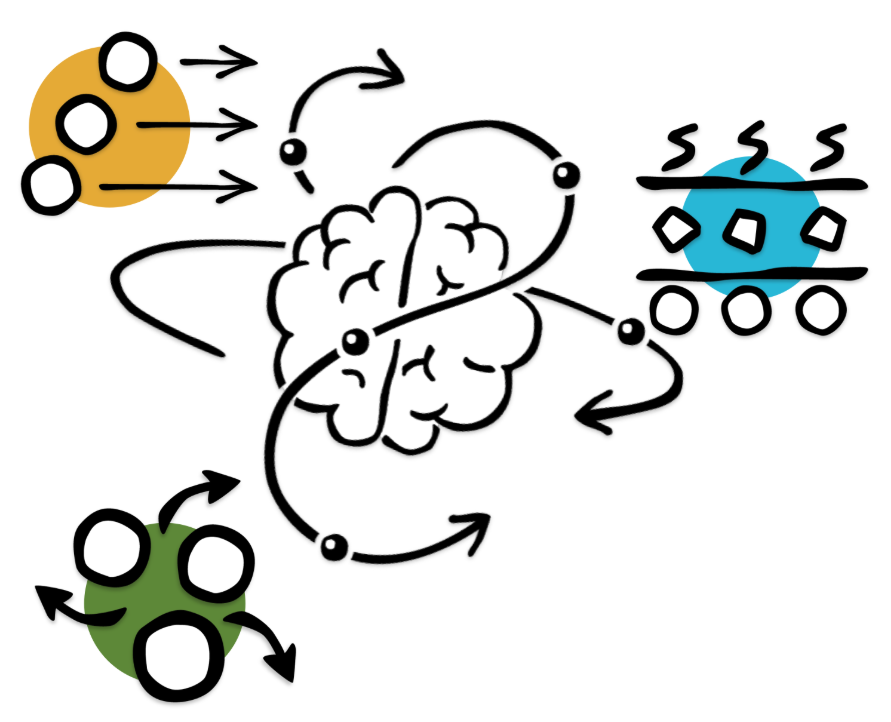
LS taps three super-powering factors to generate group flow: fast and slow velocity; frequent remixing of groups; and, artful layering of artifacts created by participants.
We call it creative adaptability: a flow state of heightened awareness and purposeful action within a group, which fosters a regenerative pattern where performance, learning, and vitality rise in concert.
Creative adaptability enables groups to not only navigate current challenges but also grow their adaptive capacity to thrive in uncertain futures.
The Emergence of Creative Adaptive Flow
As the LS sessions began, Anna and Astrid quickly grasped the potential of these clever patterns. The principles resonated with the Kaospilots' entrepreneurial and inclusive values. Within 30 minutes, they confidently took the reins, co-leading the experience.
What followed was remarkable: we entered a collective flow state where learning, performance, and energy surged in concert. The LS activities fostered heightened awareness, deeper connections, and purposeful action. Through this adaptive flow state emerging in the group, the students were able to conceptualize a new organization and select their role in the functional groups within two 45-minute sessions.
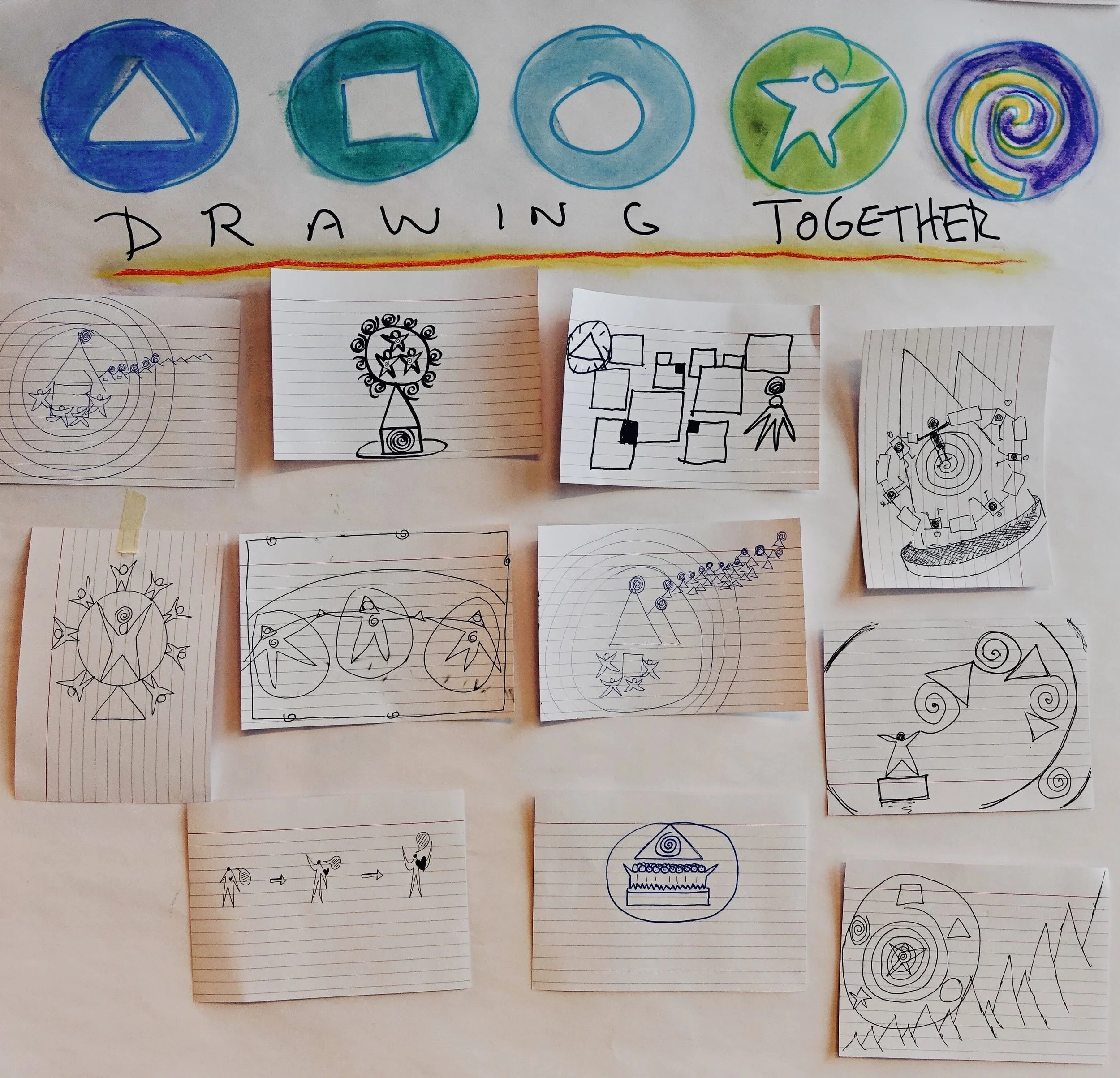
Drawing Together images created by students forming a new organization for their consulting work over the next year.
With Drawing Together, students were invited to combine these five symbols into a story about creating the new organization. No words allowed!
Circle. Wholeness, completion, and the self
Rectangle. A foundation, offering support and stability
Triangle. Goals, aspirations, and achievement
Spiral. Change, transformation, and the cyclical nature of life
Star person (equidistant cross). Relationships and connections
The Decision as a Natural Outcome
The "big decision" about the learning organization's formal structure, once an intimidating obstacle, became a natural outcome of multiple layers of interaction and insight. So many small, individual decisions—based on shared purpose and emergent principles—had already been made along the way.
An irresistible wave of momentum made the bigger decision less risky and unlikely to generate divisiveness. The collective, informed structure was a fait accompli—the groundwork had been laid by the creative adaptive flow generated by LS.
This experience highlights how Liberating Structures shifts groups from seeking tight, formal control toward embracing acting-learning-planning at the same time. By fostering this emergent flow state, LS unlocks the creative momentum needed to navigate big challenges and achieve remarkable, adaptive outcomes in short order.
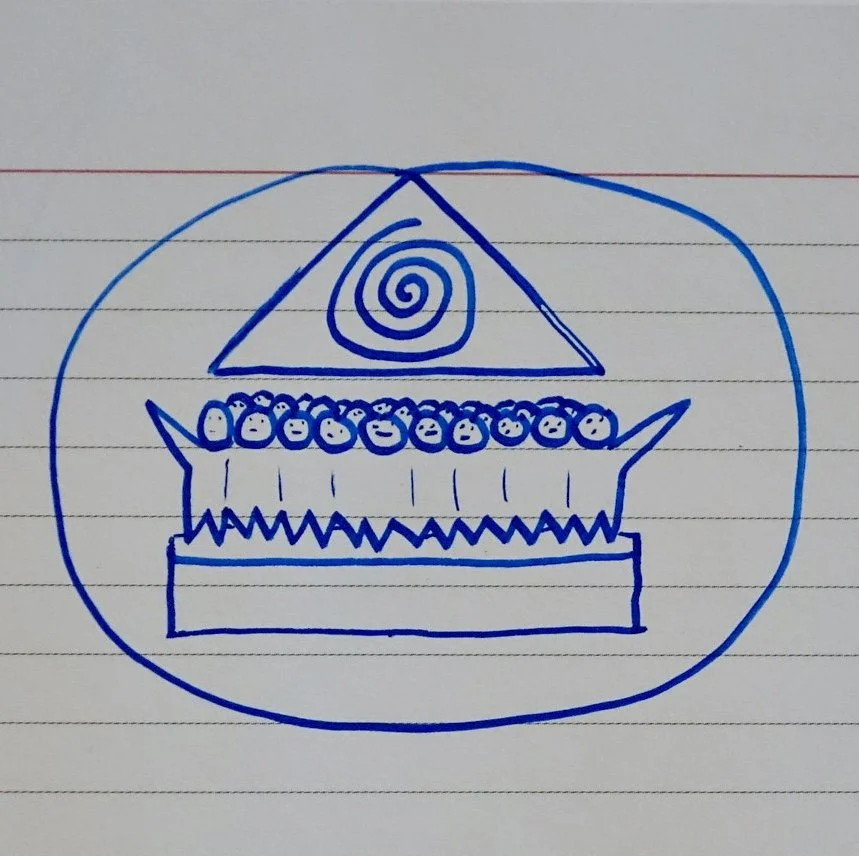
One student’s drawing representing the new organization they were building together.
Liftoff
The Blueprint vs. Dynamic Incompleteness: Think of a new project, team, or initiative you are launching right now. Where are you burning up time trying to engineer a "sharply defined decision-making structure" instead of designing a quick, 60-minute acting-learning-planning loop with the actual group?
Flipping the Decision Sequence: What is a "big, intimidating decision" currently blocking your group’s progress? What would it look like to postpone that formal vote and instead run Purpose-to-Practice or a string with similar activities—to let the minor, local agreements build an irresistible wave of momentum first?
The 30-Minute Hand-Off: Anna and Astrid took the reins within half an hour once they felt the pattern. In your next session, when might you purposefully step back, drop the marker, and invite your "anxious" co-hosts or participants to lead the next activity?
