
Rhapsody for Strings: Designing with LS
Learning to use Liberating Structures (LS) is like learning a new language. At first, you learn individual words (the 43 structures). Then, you begin to compose simple sentences. Soon, you find yourself speaking fluently in a new language of interaction patterns. We call this ability to sequence structures—inviting a flow of creative responses to a complex challenge—designing with LS and composing string music.

Note to Readers: A Post from the Archives
In 2016, only two years after the publication of The Surprising Power of Liberating Structures, I noticed a shift in the field. Avid practitioners weren't just "using tools" anymore; they were taking on deeper, more daunting challenges. Having developed a repertoire, they were now using LS to face down higher-order goals—those complex problems or opportunities that seemed insurmountable.
I began to call these practitioners maestros—virtuosos capable of orchestrating strings that guided groups as they discovered their own way forward. These maestros were revealing new options by exploring the connections between existing elements and the adjacent possibilities that emerged in the heat of the work.
One Liberating Structure can transform a dull meeting. A powerful string can shift the entire pattern of how a group works together. While a single structure handles a discrete task, a string often addresses an ambitious, higher-order goal.
The Maestro’s Playlist
I asked a few virtuosos to rhapsodize about and illustrate their favorite strings. While no maestro ever repeats a string exactly—each local setting demands creative adaptability—these patterns offer a "doorway" into what is made possible when structures are artfully arranged and layered.
1. Building Financial Literacy with High School Students [Greg Myers]
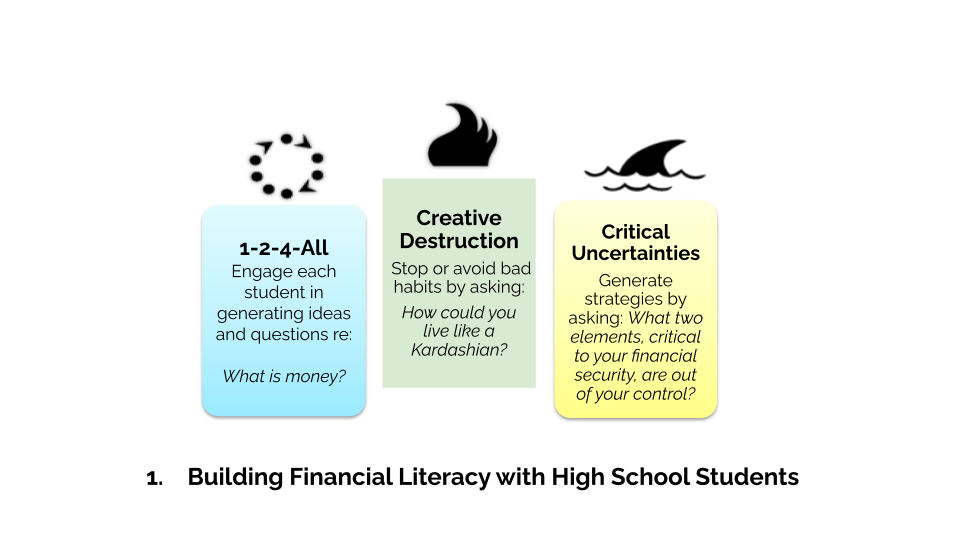
The String: 1-2-4-All → Creative Destruction → Critical Uncertainties
The Flow: In a high school classroom, this seriously-playful sequence generates a deep awareness of the need for financial security. Students define money, satirize Kardashian-level spending, and then face the hard truths of what they cannot control.
2. Liberating Learning Together [Nancy White]
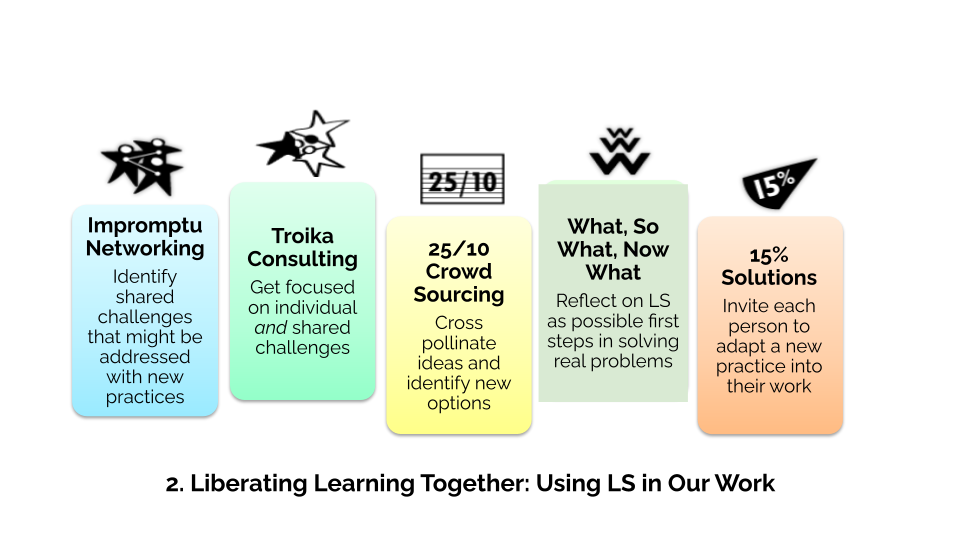
The String: Impromptu Networking → Troika Consulting → 25/10 Crowdsourcing → W3 → 15% Solutions
The Flow: Designed for educators to bust the myth that their challenges are "unique." By moving from shared struggles to small-group prototyping, the string builds collective momentum for institutional change.
3. High-Dive Strategy Retreat [Keith McCandless]
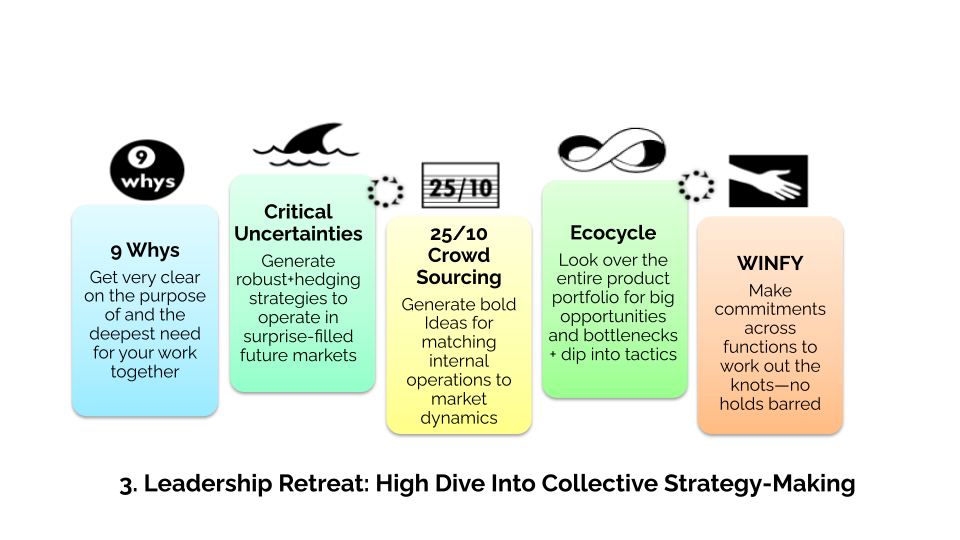
The String: 9 Whys → 25/10 Crowdsourcing → Critical Uncertainties → Ecocycle → WINFY
The Flow: A two-day "inside-outside" dive. We look inward at purpose and bold ideas, then outward at the shifting landscape, finally landing in the unambiguous commitments of What I Need From You (WINFY).
4. Tapping the Founder’s Wellspring [Liz Rykert]
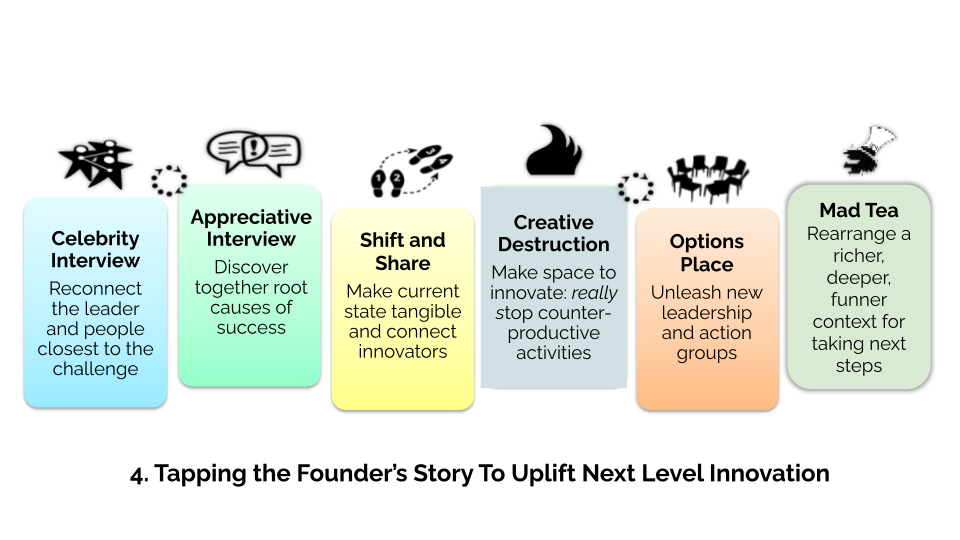
The String: Celebrity Interview → Appreciative Interview→ Shift & Share → Creative Destruction → Options Place → Mad Tea
The Flow: For a century-old organization, this string uses the past as a "springboard" for the future. It mixes deep sense-making with a quick pace, ending in a concrete gameplan for action.
5. In Charge but Not In Control [Neil McCarthy]
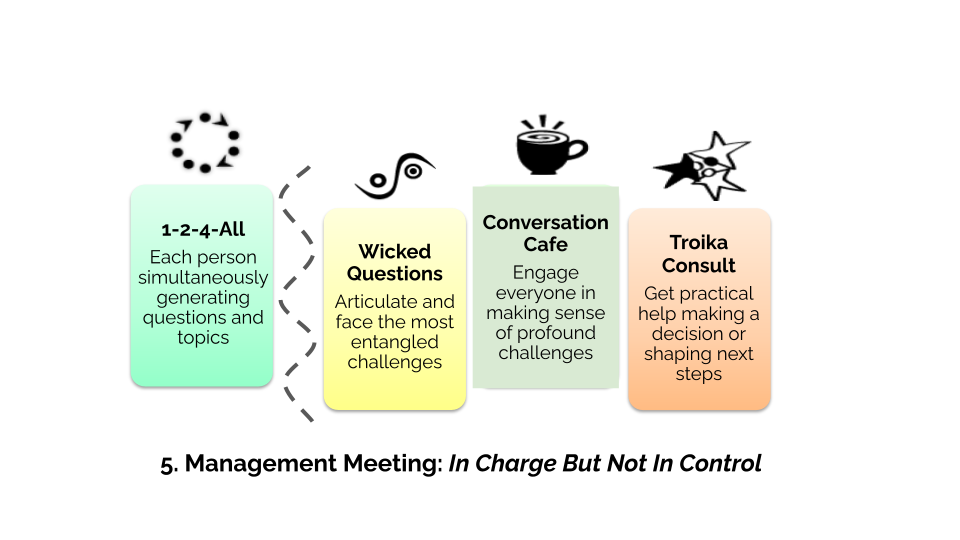
The String: Pre-meeting 1-2-4-All → Wicked Questions → Conversation Cafe →Troika Consulting
The Flow: A weekly project management string for entangled budget or structural shifts. By the time the meeting starts, the "hallway talk" has already been structured, allowing the leader to facilitate a decision that emerges from the group.
6. Cross-Sector Catalyst [Anna Jackson]
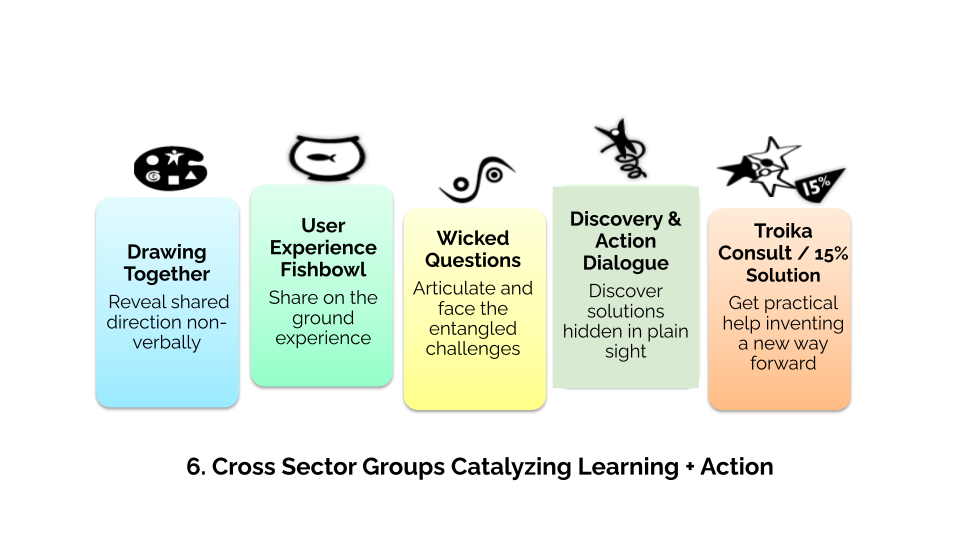
The String: Drawing Together → Impromptu Networking → User Experience Fishbowl → Wicked Questions → DAD →Troika Consulting
The Flow: This string moves from non-verbal reflection to high-stakes paradox. It’s designed to help large community groups face "juicy" challenges and walk away with practical peer support.
7. Getting Over Yourself [Fisher Qua]
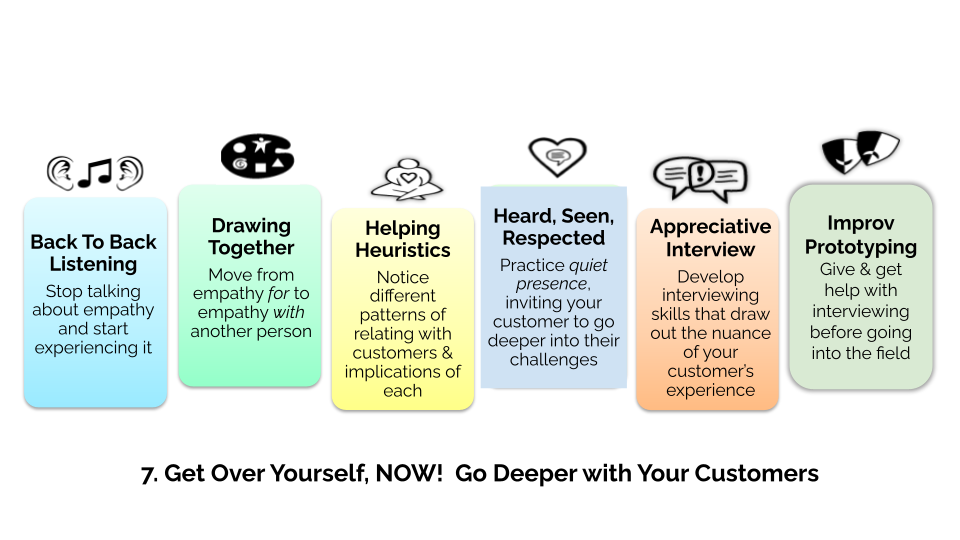
The String: Back-to-Back Listening → Drawing Together → Helping Heuristics → Heard, Seen, Respected (HSR) → Appreciative Interview → Improv Prototyping
The Flow: A masterclass in radical empathy. Moving from practicing interview micro-behaviors to quiet presence with customers, finally experiencing a "back-to-back" form of listening that lets go of the ego to learn at the feet of the customer.
8. Catalyzing Nursing Knowledge for Big Data Science [Dan Pesut]
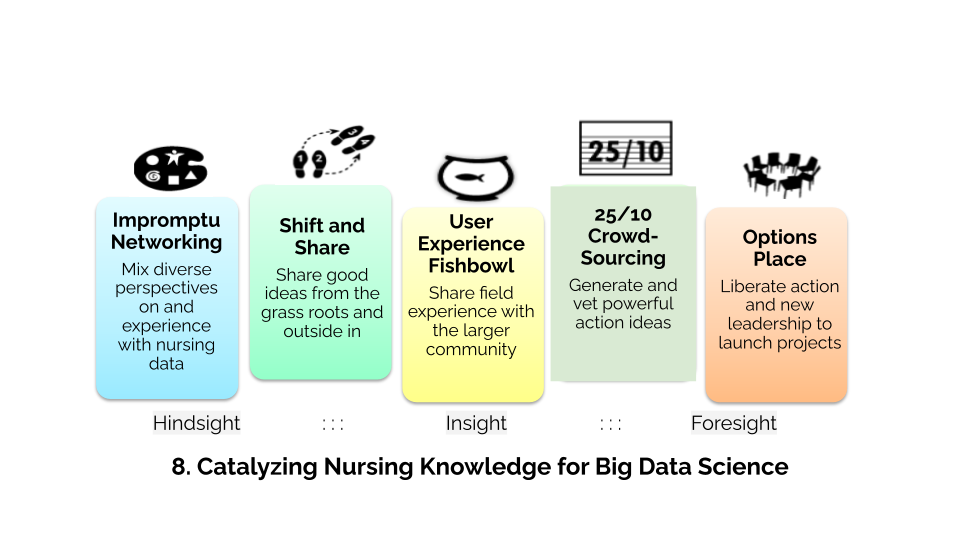
The String: Impromptu Networking → Shift & Share → User Experience Fishbowl → 25/10 Crowdsourcing → Options Place
The Flow: Over two days, this string organizes massive nursing data across three temporal horizons: Hindsight (reflecting on past work), Insight (sharing current field experiences), and Foresight (vetting action ideas for future emergence). It moves from mixing diverse perspectives to launching new leadership projects.
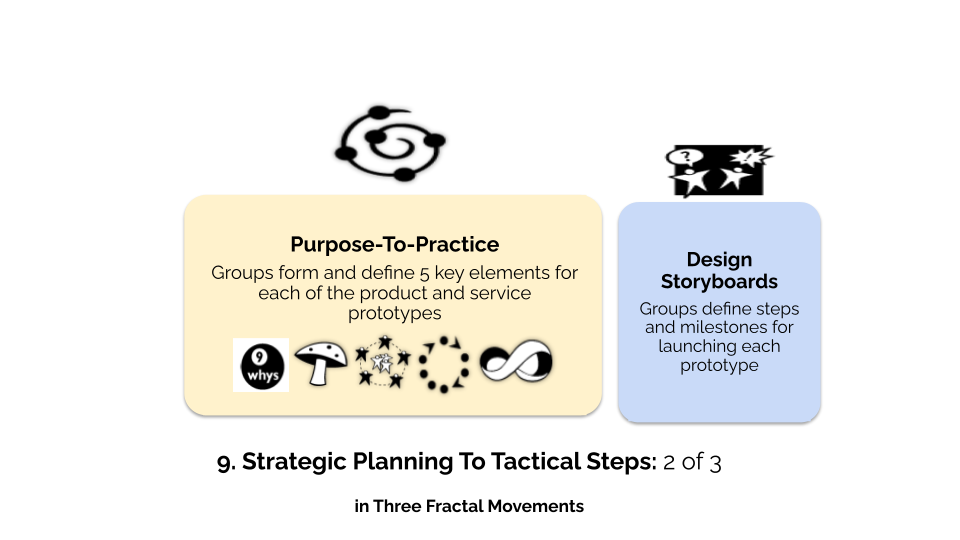
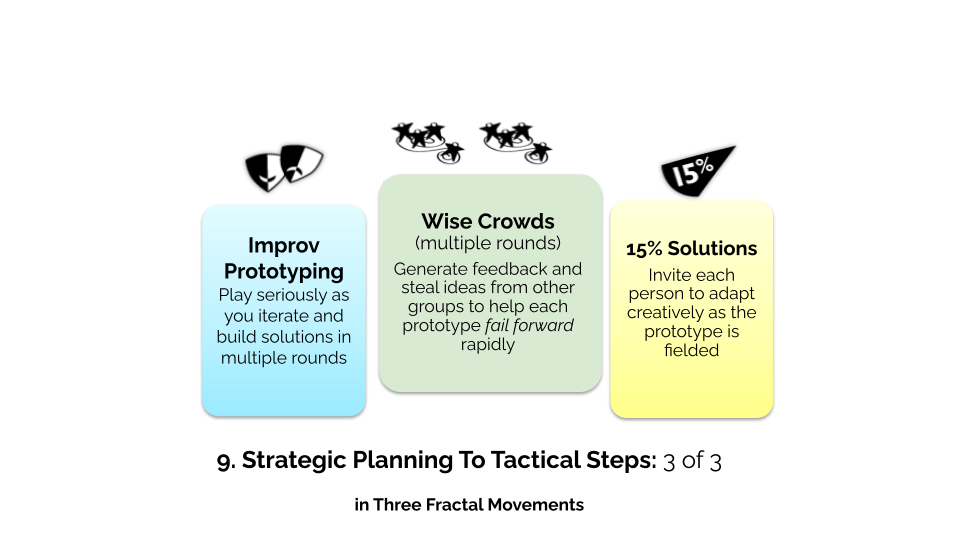
9. Strategic Planning To Tactical Steps [Tim Jaasko-Fisher]
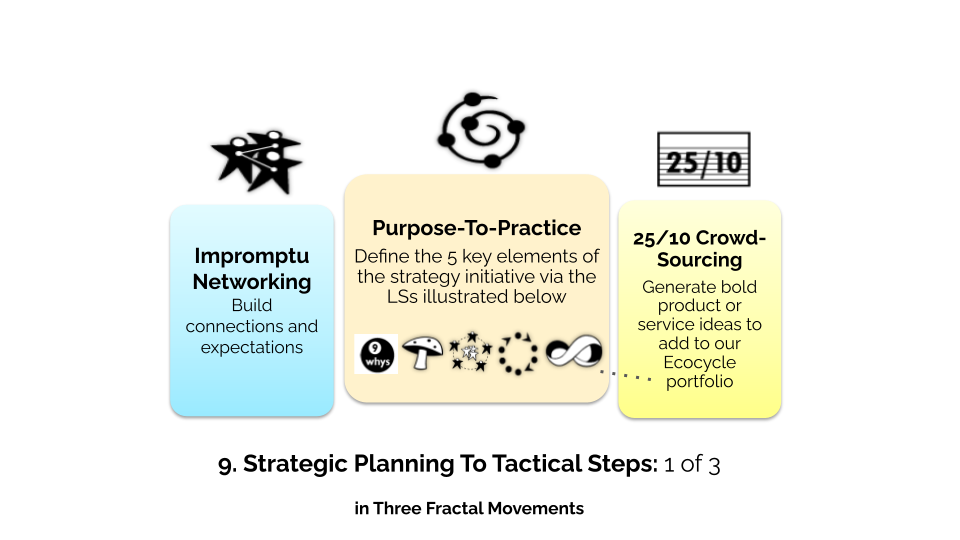
Flow I: P2P → Ecocycle → 25/10 Crowdsourcing
Flow II:Tactical P2P → Design Storyboard
Flow III: Improv Prototyping → Wise Crowds → 15% Solutions
The Flow: A "turtles all the way down" approach. Groups develop bold ideas and then immediately subject them to iterations of feedback and peer theft, ensuring everyone knows—and improves—everyone else’s plan.
10. Recovering from Incivility (this string is from recent archives) [Jeremy Akers]
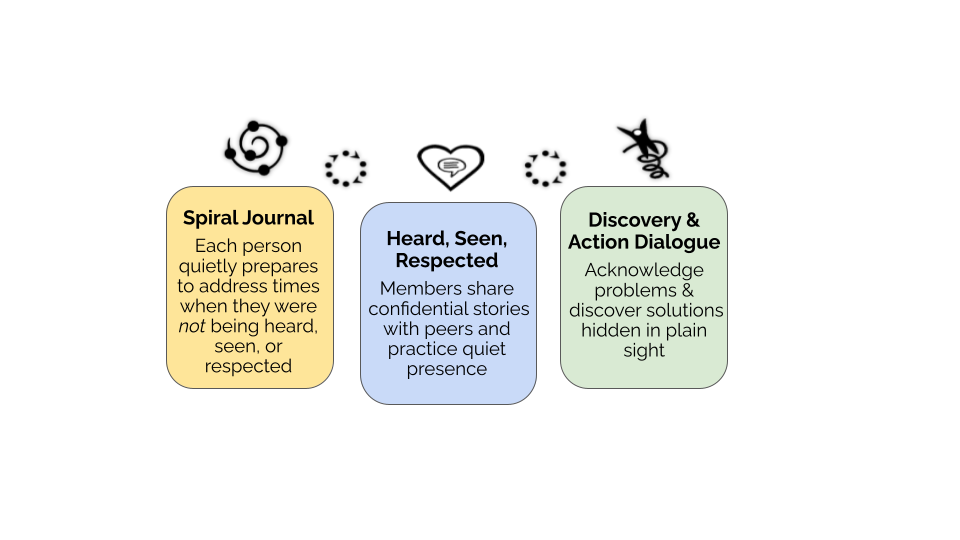
The String: Spiral Journal (Grief Walking) → Heard, Seen, Respected → Discovery & Action Dialogue (DAD)
The Flow: To address group dysfunction, we start with a solo "Grief Walking" exercise to tap internal truths. We move that content into conversation through HSR to heal relational fractures, finally entering a DAD to discover local solutions for civil cooperation.
Liftoff
A string is not a rigid script; it is a hunch that guides individual and group discoveries. When you look at these examples, don't look for a recipe to copy. Look for the artful sequencing that generates more imagination, resolve, and action.
Questions to Ponder
Which "flow" in these strings addresses a "locked door" in your organization?
What higher-order goal are you currently trying to reach that a single structure cannot touch?
Resources
The LS Selection Matchmaker: To help you pick your first "sentence."
Chapter 6 in The Liberating Structures Fieldbook includes advice for designing strings
Explore LS Punctuation in the Art of the Pause
