
LS Maestro Tim Jaasko-Fisher: Scaling Change
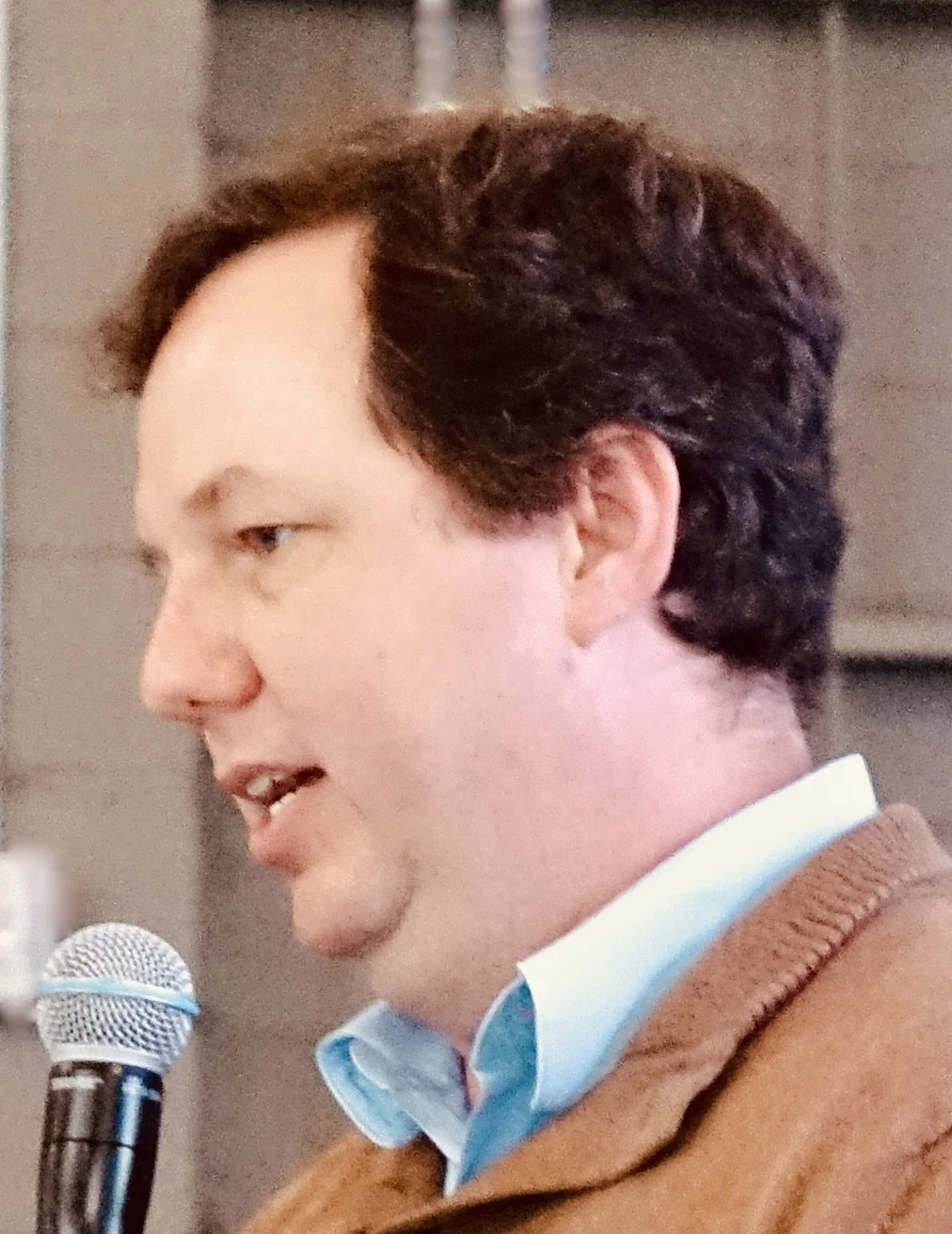
Tim Jaasko-Fisher (2014)
"The very thing you are so good at—giving an inspiring, charismatic, and informative presentation—is the thing you need to stop doing."
The Trap of the "TED Talk" Leader
Tim Jaasko-Fisher was a master. While leading the Court Improvement Training Academy (CITA), he could address rooms full of skeptical judges, clerks, and attorneys with the polish of a superstar. He was entertaining, persuasive, and brilliant.
But there was a problem. On a drive home after one of his "successful" workshops, I gave him some lovingly provocative feedback: "If your goal is to help these people improve their own system, you are doing too much of the work for them. By being the charismatic expert in the room, you are reinforcing their feeling of powerlessness and apathy. Stop it."
The Pivot: From Presenter to Guide on the Side
Tim’s intellect was too sharp to ignore the suggestion. Instead of being defensive, he turned to me and said, "Let’s design my next session with Liberating Structures right now." Before we reached his house, the storyboard for flipping the script was sketched out.
Tim realized that in a court system that felt like a "boat on fire, under fire, and taking on water," a leader providing the answers only deepened the cynicism. He shifted his role from being the one with the answers to being the one who builds the structures where the answers can emerge.
High Stakes: Child Welfare and Life-or-Death
Tim scaled this approach to the most adversarial environment imaginable: national child welfare improvement. In this field, disagreements aren't just professional; they are profound. Federal regulators, attorneys, social workers, and families are often siloed in a legal process designed for conflict.
Tim used Liberating Structures to break the "heroic leadership" habit. He replaced lectures and expert advice with:
Conversation Cafés and User Experience Fishbowl: To handle high-stakes challenges with civility.
Wicked Questions: To confront the paradox of a system that must protect children while respecting family rights.
1-2-4-All: To ensure the voice of a social worker was as loud as the voice of a judge or bureaucrat.
The Higher Order Goal: A More Civil Society
Tim’s work became a mechanism for something larger than court reform. He wasn't just fixing a local system; he was modeling how a civil society functions. By letting go of over-control, he fostered shared responsibility. He moved from “content expert” to being the "guide on the side maestro" for the entire system. He proved that when a leader stops being the "sage on the stage," the group can find its flow.

Tim (left) pictured with Fisher Qua. In all things, Tim brought lightness to heavy challenges.
The Legacy
Tim passed away in 2022, but his influence remains the gold standard for scaling change. He demonstrated that the most powerful thing a leader can do is step back and tune into the group—drawing out the collective intelligence of the people in the room to face up to their own "impossible" challenges.
By trading the spotlight of the "expert presenter" for the humility of a "guide on the side," Tim proved that leadership isn't about the brilliance of one, but the creative adaptability of many. He didn't just fix a system; he built the capacity for the system to fix itself, leaving behind a roadmap for anyone brave enough to trust people and local solutions.
Liftoff
Look in the Mirror: What is the one thing you are "exceptionally good at" doing for your group that is actually preventing them from doing it for themselves?
The "Sage" Trap: In your most adversarial or complex environment, what would it look feel like to trade your "expert role" for the humble role of a "guide on the side"?
Scaling Up: Is there a higher-order goal just starting to take shape your work or life?
